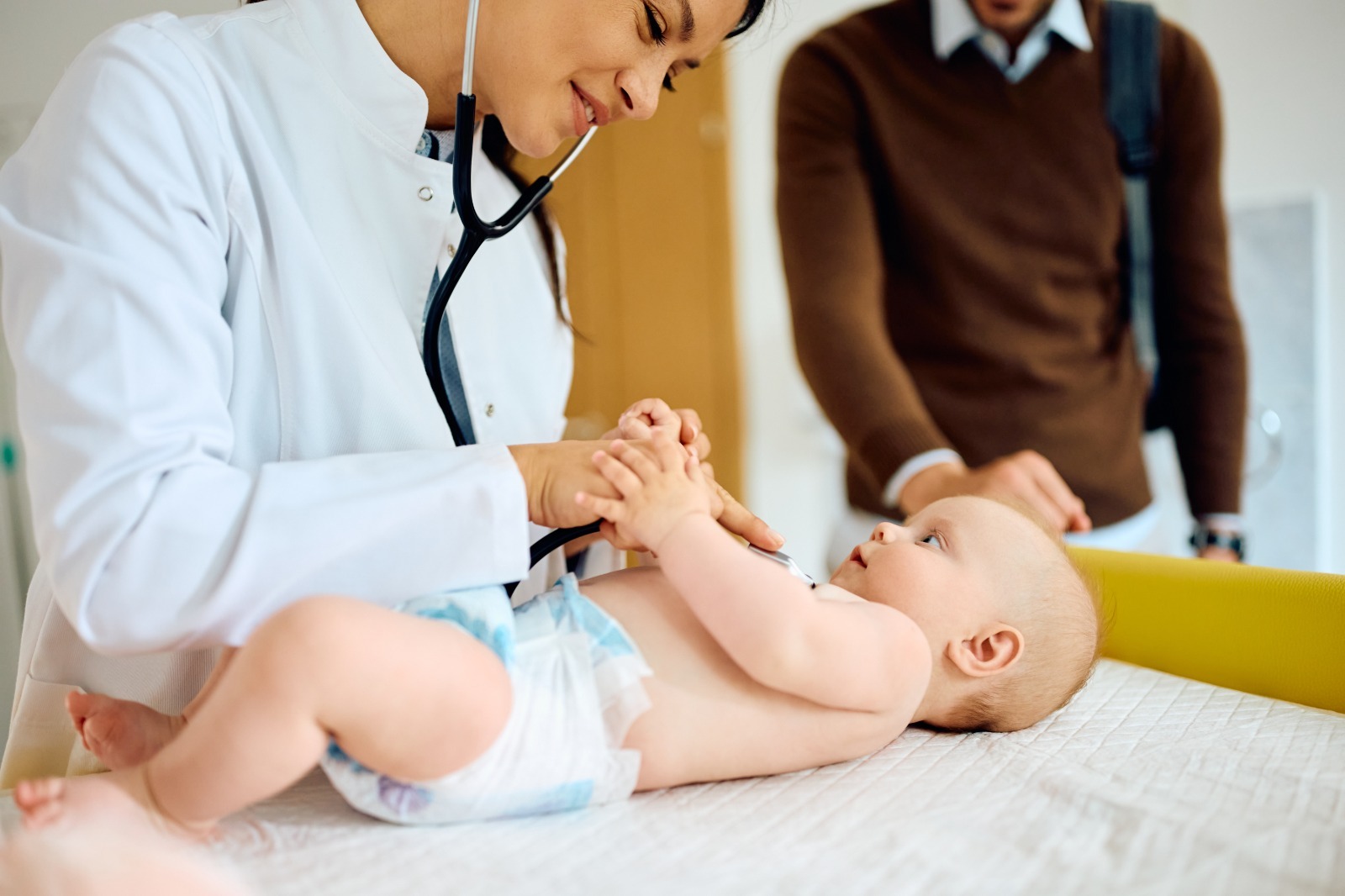
Newborn screening is a series of routine tests conducted shortly after birth to check for hidden health problems in newborn babies. These tests are typically done within the first 24 to 48 hours after birth, even if the baby appears healthy. The primary goal of newborn screening is to detect potential health issues early on, allowing for prompt intervention and treatment if necessary. Let’s explore this essential aspect of newborn care in more detail. As parents, it’s natural to want the best for your little one’s health, and understanding these routine tests is a crucial part of that journey. Let’s dive in and simplify the complexities of newborn screening to help you feel confident and informed.
What is newborn screening?
Newborn screening is like a health check-up for your baby, but it goes beyond what you can see on the surface. These routine tests are done on all babies, even if they seem perfectly healthy, to detect any hidden health problems early on.
Why does my baby need screening tests?
Even though your baby may appear healthy, some health issues might not be visible. Newborn screening helps doctors find these problems early so that treatment can start right away, giving your baby the best chance at a healthy life.
What health problems are my baby tested for?
Newborn screening tests are painless and done in different ways:
- Blood spot screening: A few drops of blood are taken from your baby’s heel and sent to a lab for testing.
- Hearing screening: This test checks your baby’s hearing using gentle methods that don’t cause any discomfort.
- Pulse oximetry screening: Measures your baby’s oxygen levels to detect potential heart problems.
- Bilirubin screening: Checks for jaundice, a common condition in newborns, using a simple test.
Newborn screening tests look for a variety of health conditions, including metabolic disorders, immunodeficiency disorders, congenital heart defects, and more. These tests help catch potential issues early so that appropriate care can be provided.
Common conditions targeted by newborn screening programs
- Phenylketonuria: A condition where the body cannot break down a chemical called “phenylalanine,” which is harmful to brain development.
- Other metabolic disorders: These affect how the body turns food into energy and gets rid of waste, leading to developmental delays and long-term health problems.
- Immunodeficiency disorders: Conditions where the body’s infection-fighting system doesn’t work properly, resulting in frequent and severe infections.
- Cystic fibrosis: A disease that causes thick mucus to build up and clog different parts of the body.
- Congenital hypothyroidism: A condition where a baby has too little thyroid hormone, leading to growth and developmental issues.
- Congenital adrenal hyperplasia: A genetic disorder affecting how the body responds to stress.
- Sickle cell disease and thalassemia: Conditions affecting red blood cells, leading to long-term health problems.
- Spinal muscular atrophy: A disorder causing poor muscle tone and weakness.
- Hearing loss: Important for language development and learning to talk.
- Congenital heart defects: Heart problems that a baby can be born with.
- Hyperbilirubinemia or newborn jaundice: High levels of bilirubin in the blood, causing yellowing of the skin or eyes.
Your baby might need additional tests if:
- There were health problems during pregnancy.
- The baby was born prematurely.
- An older sibling had a serious health problem, or there’s a family history of certain conditions.
- Your baby has an increased risk for a specific health problem.
What else should I know?
Most of the time, newborn screening results are normal, providing peace of mind for parents. A positive result doesn’t always mean your baby has a health problem. Further testing may be needed to confirm the diagnosis. Trust your instincts and contact your doctor if you notice any concerning symptoms in your baby.
Conclusion:
Newborn screening is an essential step in ensuring your baby’s health and well-being. By understanding these tests and staying proactive, you’re giving your little one the best start in life. Understanding the significance of newborn screening underscores the importance of partnering with a reputable paediatric clinic in Dubai. At our renowned clinic, our team of healthcare professionals, including the best physiotherapist in Dubai, collaborates to provide comprehensive care for your baby’s health and development. With our expertise and dedication, we ensure that your little one receives the best possible start in life, supported by a multidisciplinary approach focused on their well-being. Remember, you’re not alone on this journey – your healthcare team is here to support you every step of the way.