Do you ever marvel at the anatomy of the human body? More so of a woman, that nurtures and births a life from her womb. Ever wondered how all the important reproductive organs, muscles, ligaments and fascia sit inside a woman’s body. It is the pelvic floor, the core of it!
What is the pelvic floor?
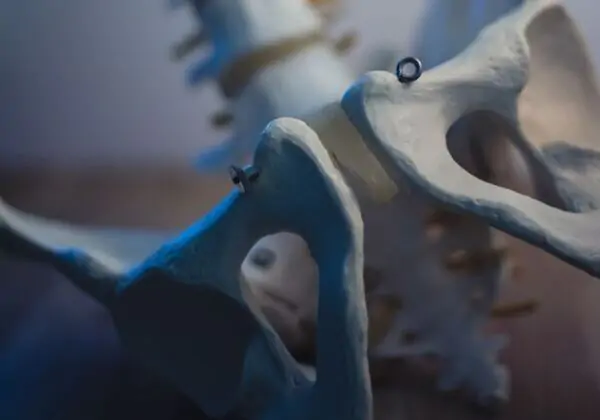
The pelvic floor, an often-overlooked group of muscles and connective tissues, plays a crucial role in a woman’s health and well-being. Nestled between the hips, this remarkable structure provides essential support for the pelvic organs, including the bladder, uterus, and rectum. Pregnancy and childbirth “regardless of the way of delivery” puts the pelvic floor muscles under pressure and have an impact on its functionality.
Beyond its structural significance, these muscles are also integral to vital bodily functions, such as bladder and bowel control, core stability, and sexual function.
Issues related to pelvic floor
The pelvic floor can be susceptible to various conditions that can impact a person’s health and quality of life.
- Pelvic Organ Prolapse
This occurs when one or more pelvic organs, such as the bladder, uterus, or rectum, descend or bulge into the vaginal area due to weakened pelvic muscles and supportive tissues. - Urinary Incontinence
Urinary incontinence refers to the unintentional leakage of urine, often caused by weakened or dysfunctional pelvic muscles that are unable to properly support the bladder. - Fecal Incontinence
Similar to urinary incontinence, fecal incontinence involves the involuntary loss of bowel control. It can occur due to damage or weakness in the pelvic muscles, leading to difficulties in controlling bowel movements. - Pelvic Pain Disorders
Conditions like pelvic muscle spasms, chronic pelvic pain syndrome, or interstitial cystitis can cause persistent pain in the pelvic region, often resulting from tense or dysfunctional pelvic muscles. - Sexual Dysfunction
Pelvic floor dysfunction can contribute to sexual problems, such as pain during intercourse (dyspareunia), difficulty reaching orgasm, or decreased sexual sensation. - Pelvic Floor Muscle Dysfunction
This encompasses a range of issues related to the function of the pelvic floor muscles, including muscle weakness, overactivity, or coordination problems, which can lead to a variety of symptoms and conditions. - Pelvic Floor Trauma
Childbirth, surgical procedures, or accidents can cause trauma to the pelvic floor, potentially resulting in weakened muscles, nerve damage, or pelvic organ damage. - Endometriosis
Although not exclusive to the pelvic floor, endometriosis is a condition where the tissue that lines the uterus grows outside of it. This can lead to pelvic pain, adhesions, and muscle dysfunction.
Therapy for improving pelvic floor related conditions
While many of these conditions need comprehensive medical treatment, there are certain conditions that can be treated with therapy with our expert physiotherapist at the Helena Taylor clinic.
- Kegel Exercises
Kegel exercises are a series of exercises that aim to strengthen and tone the pelvic floor muscles. These exercises involve contracting and relaxing the muscles that support the bladder, uterus, and rectum. By regularly practicing Kegel exercises, individuals can improve bladder control, prevent urinary incontinence, enhance sexual function, and promote overall pelvic health. Kegel exercises are typically performed by squeezing and holding the pelvic muscles for a few seconds before releasing them. They can be done in various positions and should be practiced consistently over time to achieve the desired results. - Pilates
Pilates exercises, particularly those that focus on core strength, can also help strengthen the pelvic muscles. Movements like the pelvic tilt, leg circles, and the hundred can be beneficial for pelvic muscle engagement. - Yoga
Certain yoga poses, such as- The Cat-Cow Pose,
- Child’s Pose, and
- The Reclining Bound Angle pose, can help activate and strengthen the pelvic muscles.
If you have any concerns or specific medical conditions, it’s always advisable to consult with our expert doctors at the Dr. Helena Taylor Clinic, for personalised guidance and exercise recommendations.